
Breaking Class Barriers in Nigeria: How Classism Impacts Our Lives and Social Media Spaces.
Available 23rd January,2025.

Hello Zee's Gems! 🥹✨(yes, that's my new name for you guys).😗
In this edition, we’re uncovering the realities of classism in Nigeria, a deeply ingrained issue shaping interactions, lifestyles, and perceptions in ways we often overlook. From food choices to gadgets, fashion, and social media trends, classism creates invisible divides that affect us all.
Let’s explore how classism manifests in everyday Nigerian life, its impact, and ways to break the cycle.
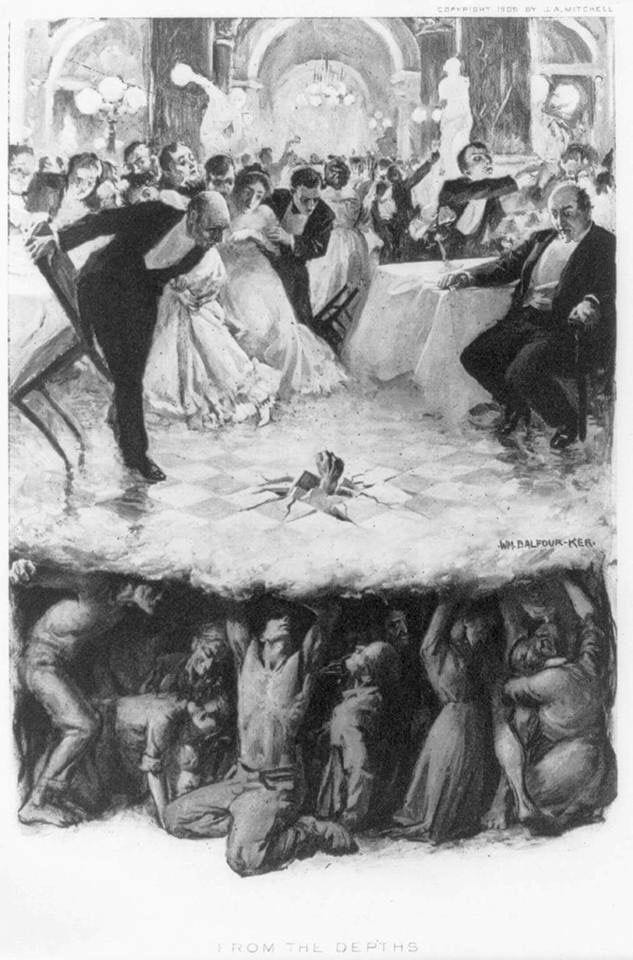
What Is Classism?
Classism is discrimination or prejudice based on social class. It defines how people’s opinions, lifestyles, and worth are valued or dismissed.
In Nigeria, where economic inequality is prevalent, classism appears in unique forms—creating barriers in areas such as dining culture, technology, and even digital content creation.

How Classism Manifests in Nigeria.
1. Food Choices
Food is a basic need, but in Nigeria, it doubles as a symbol of social status.
Traditional Foods vs. Fine Dining: Staples like jollof rice and akara are considered “ordinary,” while foods like sushi, caviar, or avocado toast are marketed as “classy” on platforms like Instagram. This distinction reinforces stereotypes about wealth and sophistication.
Mama Put Stigma: Local food vendors (mama put) offer affordable, delicious meals, yet eating at these spots is sometimes seen as less prestigious compared to upscale restaurants like Circa Lagos or The Wheatbaker.
2. Clothing and Fashion
Luxury Brands vs. Thrift Shopping: Social media trends, such as TikTok’s GRWM (Get Ready With Me), often highlight designer brands like Gucci or Off-White. In contrast, thrift shoppers are labeled as “low-class,” despite the creativity and affordability thrift fashion offers.
Aso-Ebi Costs: The aso-ebi tradition, once a unifying cultural practice, has become a competition, with expensive fabrics and accessories excluding many Nigerians from full participation.
3. Gadgets and Technology
The iPhone Status Symbol: In Nigeria, owning an iPhone, particularly newer models like the iPhone Pro Max, signifies wealth and success. Meanwhile, Android users are often mocked with terms like “poor man’s phone.”
Content Creation Divide: Creators with access to high-end gadgets dominate online spaces, while those using affordable tools struggle for visibility, further reinforcing inequalities in the digital space.
4. Restaurant Culture
Dining out is another visible marker of class.
Upscale Restaurants vs. Local Joints: Restaurants like Hard Rock Café or Nok by Alara are celebrated as “Instagram-worthy,” while eating at buka joints is often dismissed as mundane or embarrassing.
5. Travel and Luxury Lifestyle
International Travel vs. Local Tourism: Nigerians who vacation in places like Dubai, the Maldives, or Zanzibar are celebrated, while those exploring local destinations like Yankari Game Reserve are barely acknowledged. Social media further skews perceptions by glorifying luxury lifestyles.
Classism and Social Media.
Social media platforms like TikTok and Instagram magnify classism by promoting wealth and privilege.
Aesthetic Trends
The “clean girl” aesthetic—marked by minimalist luxury, high-end skincare, and pristine decor—is unattainable for many Nigerians, excluding those who lack access to such resources.
Day-in-the-Life Vlogs
Affluent influencers showcasing spa days, brunches, and shopping sprees often overshadow relatable stories, such as those of street vendors or everyday workers.
Content Visibility Bias
Creators with high-quality equipment gain more visibility and brand collaborations, while those producing authentic content with limited resources are often overlooked.
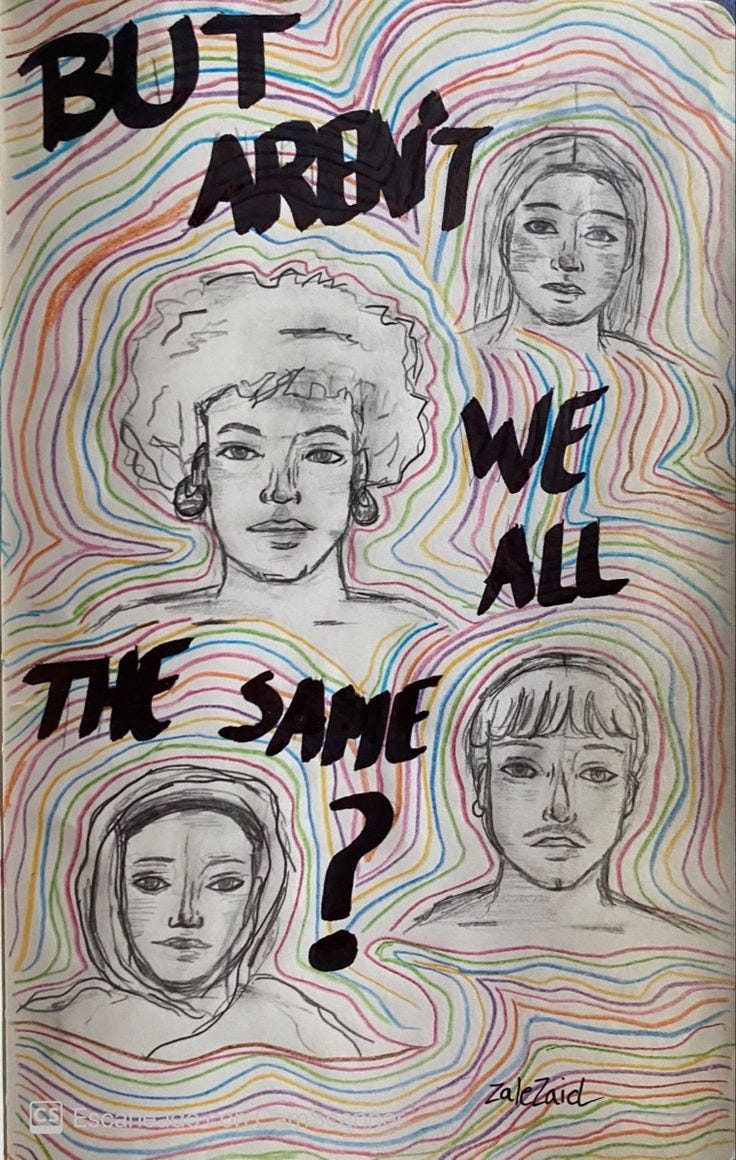
The Psychological Impact of Classism.
Classism affects mental health, particularly among young Nigerians exposed to curated luxury lifestyles on social media. This constant comparison leads to:
Low self-esteem
Anxiety about social status
Financial recklessness as individuals attempt to keep up with unattainable standards.

Breaking the Cycle: Solutions for Tackling Classism.
1. Celebrate Local Narratives
Encourage sharing authentic Nigerian experiences, from eating abacha to wearing thrifted fashion and using affordable gadgets.
2. Redefine Luxury
Promote values like peace of mind, good health, and strong relationships as true indicators of success, rather than material possessions.
3. Support Everyday Creators
Amplify voices of creators who showcase relatable stories, such as local artisans, food vendors, or small business owners.
4. Create Inclusive Content
Content creators should strive to strike a balance between aspirational and relatable storytelling, ensuring their work uplifts rather than alienates audiences.
Illustrative Case Study.
Amaka’s Budget-Friendly Makeup Tutorials: Amaka, a student in Lagos, shares affordable makeup tips using Nigerian brands like Zaron. Despite her relatability, brands often prioritize influencers promoting international luxury products.
Tunde’s Car Repair Content: Tunde, a mechanic from Ibadan, shares practical car maintenance tips on Instagram but struggles to attract the same engagement as luxury car reviewers.
These examples show how bias against authentic, relatable content can limit opportunities for everyday Nigerians.
Final Words: Redefining Classism in Nigeria
Classism goes beyond wealth; it’s about the subtle ways we judge others based on their lifestyle. Nigeria is rich in diversity, and every story deserves to be valued, whether it’s shared over a ₦500 plate of amala or during a five-star dining experience. By celebrating authenticity and practicing empathy, we can begin to bridge these divides.
What’s your take on classism in Nigeria? Share your thoughts by replying to this newsletter. Let's talk.
Until next time,
Azeemah.💜
I think another prevailing cause of classism is racism. We Nigerians are often time racist to ourselves, a certain tribe believing that they are greater, learned and better than other tribes and culture. i was researching on diversity and the web brought your article!!!!
What a wonderful insight to prevailing issues and it's physiological effects… good one